Zenext Voice Assistant · pilot program open 2026–27
Two hands on the job. One voice for the rest.
A voice assistant for security officers that handles routine checks, messages and notes, so eyes stay on the people and the scene. It grew out of our field research with officers.
Heads up. Hands free.
A phone in one hand is one hand too few.
Security officers de-escalate, escort and patrol, often alone, where they must keep situational awareness and may need both hands free. Handheld devices and constant radio requests pull attention away from the scene.
73%
of nonfatal workplace-violence injuries in the US happen to healthcare workers1
5×
more likely: healthcare workers' risk of violence injury versus workers overall2
22.9
simple assaults per 100 beds reported by US hospitals in 20243
2019
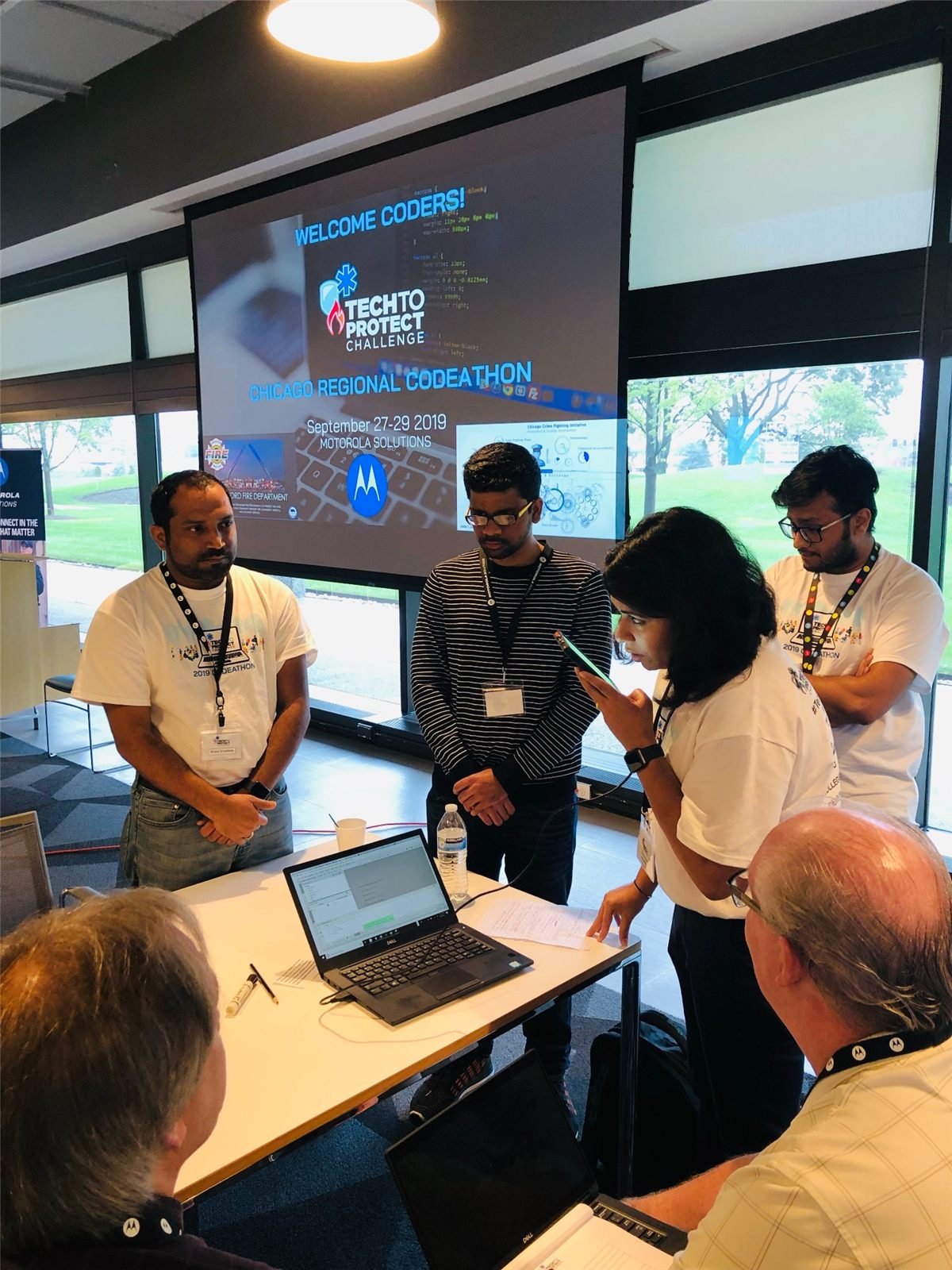
Field research began, with officers in Chicago, Pittsburgh, New York and Carmel
- US Bureau of Labor Statistics data for 2021–22, as reported by CDC/NIOSH: healthcare workers are about 10% of the workforce but experienced 73% of nonfatal workplace-violence injuries.
- US Bureau of Labor Statistics, “Workplace violence in healthcare, 2018” fact sheet.
- IAHSS Foundation, 2025 Healthcare Crime Survey (2024 data).
The Zenext AI app
Built, tested, iterated.
The current Android app: a voice assistant, a home screen built around push-to-talk, and AI incident reports, shaped by field testing since 2020.
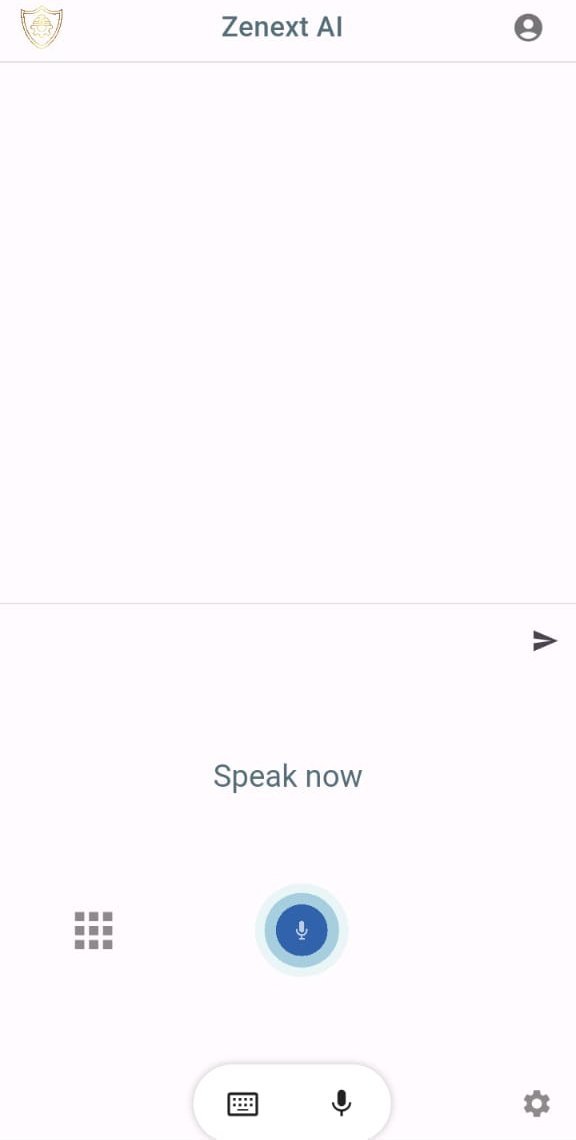
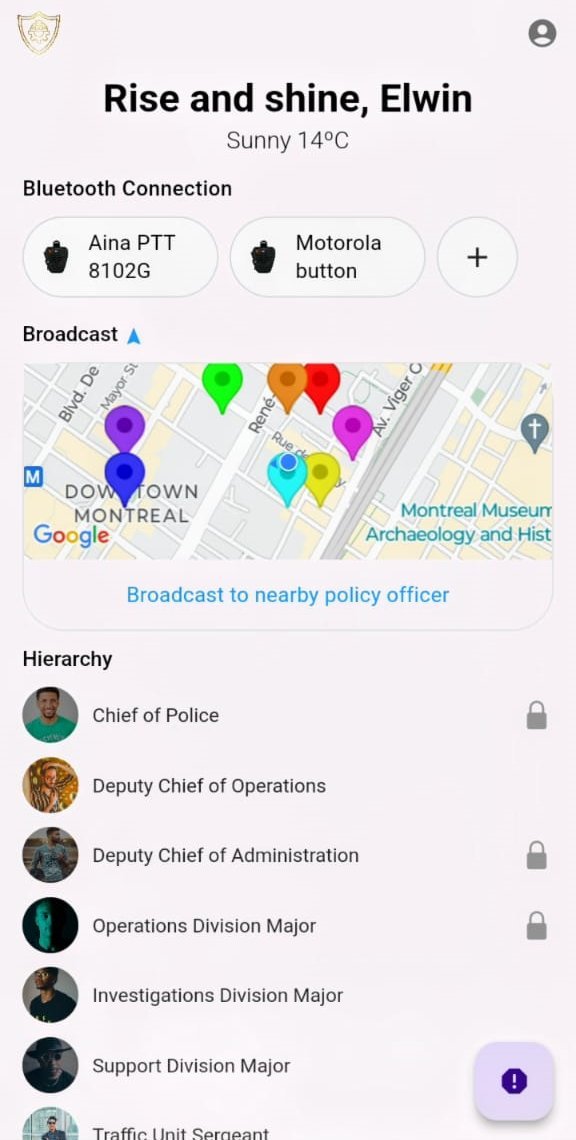
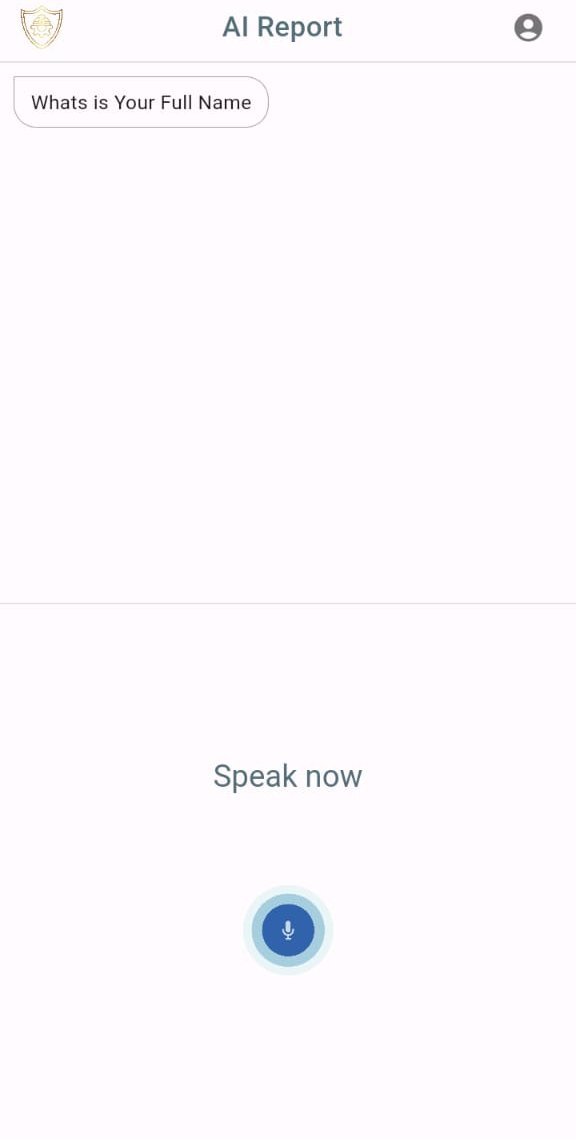
Zenext AI MVP: voice assistant, home and AI Report screens. Pairs with Bluetooth push-to-talk buttons; supports voice authentication at sign-in. Test data shown.
Built from what officers asked for.
Each feature traces back to our field research with officers in Chicago, Pittsburgh, New York and Carmel.
Voice duress + SOS
In pilotSay the word and Zenext alerts your supervisor and nearest officers with your location.
Lone-worker check-ins
In pilotTimed check-ins on solo rounds; a missed check-in escalates automatically.
Live location sharing
Available nowBroadcast your position to dispatch or nearby officers by voice.
Patrol + guard-tour logging
In pilot“Check in: Building 4 secured” is stamped with time and place, ready for client and audit reports.
AI-assisted incident reports
Available nowAnswer questions by voice; Zenext drafts the report for the officer to review and sign.
Team messaging
Available nowMessage one officer, a shift or the whole team without typing.
Chain-of-command contact
Available now“Call my supervisor” reaches the right person for that shift.
Permit, visitor + trespass-list checks
In pilotCheck plates and names against your own permit, visitor and ban lists.
CJIS plate + license checks
In pilotSworn officers onlyFor sworn campus police only, through their agency's CJIS access. Field-tested with police officers.
Available now: in the current Zenext AI app. In pilot: being built and tested with 2026–27 pilot partners. On the roadmap: planned or in research. Location sharing, team messaging and plate checks were field-tested with officers in 2021–22. Checks against NCIC and state driver records are limited to sworn law enforcement under the FBI's CJIS Security Policy and the DPPA. Also available now: email and text by voice, and video capture by voice.
Works with what your team carries.
No new radio budget required. Zenext runs on phones today, and we're building toward the systems campus security already uses.
Android phones
Available nowThe Zenext AI app runs on Android today; iOS is planned.
Bluetooth push-to-talk buttons
Available nowPair a wearable PTT button so officers never reach for the phone.
Two-way radio + PTT over cellular
On the roadmapRadio interoperability is in research, including our Wave Pro wearable.
Dispatch + CAD
On the roadmapAlerts in, incident records out, so nothing is entered twice.
Access control, visitor + LPR lists
On the roadmapCheck names and plates against the lists your campus already maintains.
Dead zones
In pilotBasements, parking structures and hospital interiors are a core requirement from our field research.
- Duress alert · Officer Diaz · ED waiting room02:14
- Check-in · Building 4 loading dock secured02:10
- Missed check-in escalated · Lot C01:52
- Report signed · Trespass, Library north entrance01:31
The Zenext Dashboard.
What officers say in the field becomes situational awareness for supervisors, dispatch and the clients you report to.
- Live alerts. Duress calls and missed check-ins surface instantly, with location.
- Live map. Officer locations and incidents in one view.
- After-action reporting. AI-drafted reports and documentation, ready for review.
- Patrol completion. See which checkpoints were covered, and export proof for clients and audits.
Say it
What officers can ask.
Example phrasing for requests Zenext is built to handle, from the MVP and the pilot roadmap.
“Zenext, I need backup. ED waiting room.”
Voice duress alert with location“Check in: Building 4 loading dock secured.”
Guard-tour check-in“Is 7KRM-214 on the permit list?”
Permit and visitor-list check“Message all officers on the east shift.”
Team messaging“Start incident report.”
AI-assisted report, officer signs“Run plate ABC 1234.”
CJIS check · sworn campus police onlyDesigned to work through sirens and horns, vehicle noise, crowds, chainsaws, the fireground and Jaws of Life, per our 2020 beta specification.
Security designed in from the start.
Our field research showed privacy and access control matter to officers as much as speed.
| Role-based access | Officers only reach the data and actions their role allows. |
|---|---|
| Encryption | Data encryption keys protected through AES key wrapping in the prototype's cloud storage. |
| Reviewable record | Conversations are stored according to your organization's information policy, so officers and supervisors can review them later. |
| AI-assisted reports | Every AI draft is labelled “AI-assisted”, keeps its original audio and transcript, records every edit, and is filed only after the officer reviews and signs. |
| Officer privacy | Designed so location is shared only on shift or during an alert, and voice is recorded only while push-to-talk is active. Your organization sets retention and notice policies. |
| Principles | AI drafts, people decide. Our AI principles · Trust + Security |
| Compliance | Zenext does not yet hold compliance certifications. We scope data handling with each pilot partner and share our security approach on request. Trust + Security |
Questions
Is Zenext available today?
Can non-sworn security officers run plate checks?
What happens in dead zones?
What does a pilot cost?
Can we see it before committing?
Who is it for?
Where has it been tested?
What devices does it run on?
Can it connect to a person when needed?
See Zenext with your team.
- Interfaces shown are concepts based on the Zenext research prototype. Example names and plates are illustrative. Technical details are from the IEEE CCWC 2020 paper and the 2020 beta technical specification.